
What Is Trail Running? How Is It Different from Road Running?
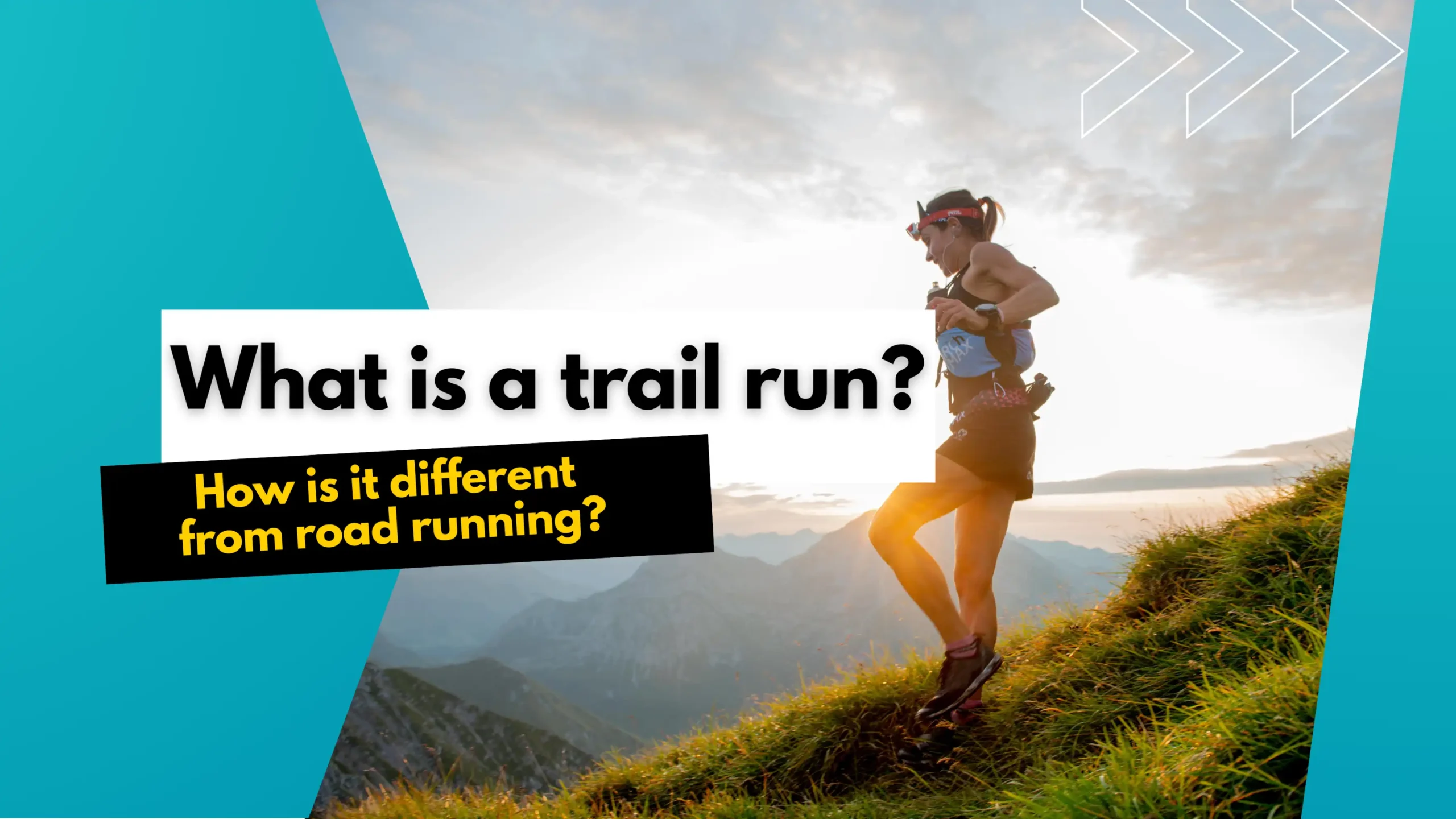
If you have ever seen runners wearing trail running shoes with deep treads, running up mountains, through dirt paths, and even muddy trails, you’ve already seen the unique charm of trail running.
Trail running events have become increasingly popular in Thailand in recent years. This article will help you understand what trail running is and how it differs from road running, so you can decide which type of running event suits you best.
What Is Trail Running?
Trail running is a running event held on natural terrain, such as:
- Forest trails
- Mountain paths
- Dirt roads
- Rocky trails
- Natural community paths
These routes are typically more challenging than road races due to steep slopes, uneven surfaces, and changing weather conditions. Participants need strength, endurance, and good body control to navigate the terrain safely.
Key Characteristics of Trail Running
- Uneven terrain with constant uphill and downhill sections
- Requires strong focus on foot placement
- Takes longer than road running at the same distance
- Allows runners to experience nature closely
- Focuses more on completing the course rather than achieving fast times
Trail Running vs. Road Running: What’s the Difference?
| Comparison | Trail Running | Road Running |
|---|---|---|
| Terrain | Forests, mountains, dirt trails | Paved roads or concrete surfaces |
| Elevation | Frequent uphill and downhill | Mostly flat |
| Speed | Slower pace | Faster pace |
| Shoes | Trail running shoes | Road running shoes |
| Risk | Higher risk of slipping or falling | Lower risk |
| Experience | Adventure-focused | Time and competition-focused |
Who Is Trail Running Suitable For?
Trail running is suitable for:
- Runners who enjoy nature
- People who are bored with traditional road races
- Runners looking for new challenges
- Runners with some running experience
- Outdoor enthusiasts
Trail Running Distances
Trail running events offer a variety of distances, such as:
- 5–10 km (suitable for beginners)
- 15–25 km
- 30 km and above
- Ultra Trail (50 km or more)
Even though the distances may appear short, trail races usually take much longer to complete than road races due to the difficult terrain.
Essential Gear for Trail Running
Recommended equipment includes:
- Trail running shoes with deep tread patterns
- Hydration pack or portable water bottles
- Hat or buff
- Quick-dry clothing
- Headlamp (for night races)
Using proper gear helps reduce injuries and improve safety during the run.
How to Prepare for a Trail Running Event
Before participating in a trail race, it is recommended to:
- Practice running uphill and downhill
- Strengthen leg muscles
- Train fast hiking on steep trails
- Test your equipment before race day
- Study the course route in advance
Benefits of Trail Running
- Allows you to experience nature closely
- Strengthens both physical and mental endurance
- Provides unique running experiences
- Trail running communities are often friendly and supportive
- Offers a new perspective on running
Safety Considerations in Trail Running
- Slipping and falling can happen if you are not careful
- Runners need to take greater responsibility for their own safety
- Weather conditions can change quickly in natural environments
- Always respect nature and avoid littering
Conclusion
Trail running is a form of running that takes place in natural environments and challenges both the body and the mind. Unlike road running, which focuses on speed and race time, trail running emphasizes adventure, endurance, and completing the course.
If you want to experience something new and step outside your comfort zone, trail running is definitely worth trying.







Related content